Newsletter Subscribe
Enter your email address below and subscribe to our newsletter

 BySonu
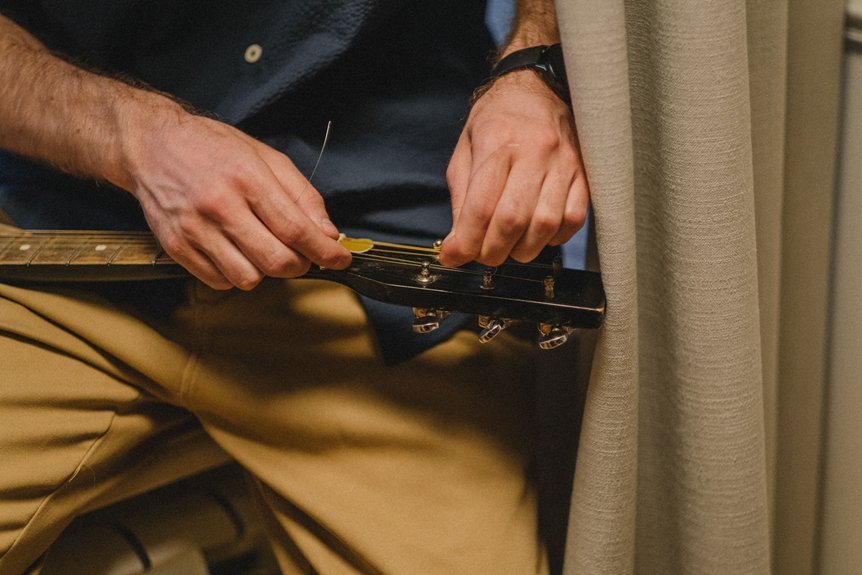
Restringing a guitar varies by instrument, string type, and service choice. Strings alone can range from inexpensive DIY sets to premium brands, while labor may be DIY in the low range or a pro service at a higher rate. The total depends on string material, winding, and any required setup or neck adjustments. Proper setup, intonation, and maintenance also influence cost and value. The next details outline options and what to expect when weighing options.
String costs vary by material and winding, with common guitar sets priced per pair or set rather than per single string. Costs differ by type: phosphor bronze, phosphor bronze-light, phosphor bronze-medium, 80/20 bronze, phosphor bronze, nylon, and nylon-core options. string materials and string brands influence longevity, tension, and tone, enabling practical comparisons for players seeking freedom in choice and budget.
Restringing costs differ markedly between luthier services and DIY attempts due to labor time, tool requirements, and material choices.
In luthier vs diy scenarios, professional shops leverage standardized processes, calibrated workspaces, and specialist string and tuner sets, driving higher upfront but predictable totals.
Restring cost factors include instrument type, string material, and setup precision, affecting final value and performance outcomes.
As a guitar is restrung, attention shifts from string selection and tension to the instrument’s broader setup, including neck relief, truss rod adjustments, and bridge or nut alignment.
Maintenance emphasizes precise intonation, consistent action, and hardware lubrication.
Practitioners weigh experimentation costs against reliability, while assessing tool availability and instrument-specific tolerances to sustain optimal playability without unnecessary alteration.
When selecting a service for restringing within a constrained budget, practitioners should quantify costs relative to the instrument’s required setup, time, and risk factors.
Evaluation focuses on guitar tunings, technician experience, turnaround options, and warranty coverage.
Restring timing, maintenance cadence, and material quality influence long-term value.
Choose a vendor aligning price with predictable outcomes and minimal disruptive downtime.
A typical guitar restringing takes about 30 to 60 minutes, depending on experience and instrument. Restringing timing varies with neck stability and winding technique; tool quality impacts setup precision, while restringing safety ensures secure stringing and tension management.
Yes, one can restring at home. How to videos provide step-by-step guidance, while budget comparisons highlight tool and string choices. The approach is precise, practical, and freedom-oriented, emphasizing safe neck tension, correct winding, and secure bridge pins.
Guitar maintenance reveals that electric and acoustic restringing cost differ slightly due to string materials and hardware tolerance. In practice, prices reflect tension and setup needs; both require careful install, intonation, and nut/wrap adjustments for optimal playability and tone.
Nickel-wound strings are typically more expensive than phosphor bronze. The price gap depends on brand and gauge, but nickel vs phosphor bronze generally follows that trend, with nickel yielding higher costs while offering greater longevity and magnetic brightness.
Guitarists avoid humidity; on a dry day, tension stabilizes, making restringing more predictable. Restringing humidity can affect intonation temporarily, but dry day effects yield longer sustain. The decision favors a dry day for precision and consistency.
Restringing costs vary with instrument and approach, from DIY string sets to professional services. A key stat: professional restringing typically ranges $30–100, reflecting not only string price but setup, neck adjustment, and intonation checks. For budget-conscious players, DIY can keep costs under $25, yet precision setup yields essential tonal stability and playability. The most effective choice balances scope, instrument type, and desired accuracy, ensuring reliable intonation and neck health while aligning with long-term maintenance goals.